import StickyCTA from "https://framer.com/m/StickyCTA-oTce.js@KwQEA9YU8siWsnGCx3yh"

FROM OUR BLOG
FROM OUR BLOG
FROM OUR BLOG
What Is AI LeBron and Why Artists Are Using It in Music Creation
Aug 15, 2025



Table of Contents
What Is AI LeBron and Why Is It Trending in Music?
How Artists Are Using AI LeBron Vocals Creatively
Why Voicestars Is the Best Platform to Clone LeBron’s Voice
Step-by-Step Guide on How to Use Our AI Voice Cloning App
Related Readings
What Is AI LeBron and Why Is It Trending in Music?

The phrase ai lebron started as a joke online—referring to deepfaked voiceovers of LeBron James—but it quickly evolved into a surprising trend in music creation. By 2025, artists are using LeBron-inspired AI voices to add personality, comedy, or authority to tracks. Whether it’s a motivational intro, a trash-talk skit, or a parody verse, creators are now integrating LeBron-style AI vocals into real songs.
With tools like Voicestars, you can clone celebrity-style voices—including those resembling public figures like LeBron James—and use them in creative ways for entertainment, storytelling, and satire. The result? A blend of humor, originality, and virality that works especially well in genres like rap, trap, drill, and pop.
How Artists Are Using AI LeBron Vocals Creatively

What began as meme content is now being used in serious music production. On TikTok and Instagram Reels, you'll hear AI LeBron voices dropping motivational monologues at the start of tracks, delivering witty hooks, or introducing artists like a coach would before an NBA game.
Some artists build full songs using AI LeBron as a narrator, while others use it for taglines or dramatic album intros. A rapper might open with LeBron yelling, “You gotta believe!” then transition into a Drake–style verse, all generated using Voicestars. This combination of motivational tone and cultural familiarity makes AI LeBron a fan favorite for digital-native listeners.
In addition to meme rap, it’s also being used for commentary tracks, concept albums, and comedy interludes.
Why Voicestars Is the Best Platform to Clone LeBron’s Voice

Platforms like Voicestars go beyond simple TTS. They provide accurate celebrity-style voice replication, ensuring that LeBron’s iconic cadence, energy, and phrasing are preserved. Artists using Voicestars benefit from:
Emotionally accurate vocal rendering
Fast, clean audio outputs ready for publishing
Voice blending with stars like Nicki Minaj, SZA, or Kanye West
Multilingual support, perfect for blending English LeBron vocals with hooks in Hindi or Portuguese
Unlike general TTS platforms like Uberduck or Eleven Labs, Voicestars is built with music performance in mind, making it the best choice for creative AI voice work.
2
Step-by-Step Guide: Create your favourite Ai voice with Voicestars AI
Video Guide
Written Guide
1. Visit the Voicestars Homepage
Go to Voicestars and click “Try now.”
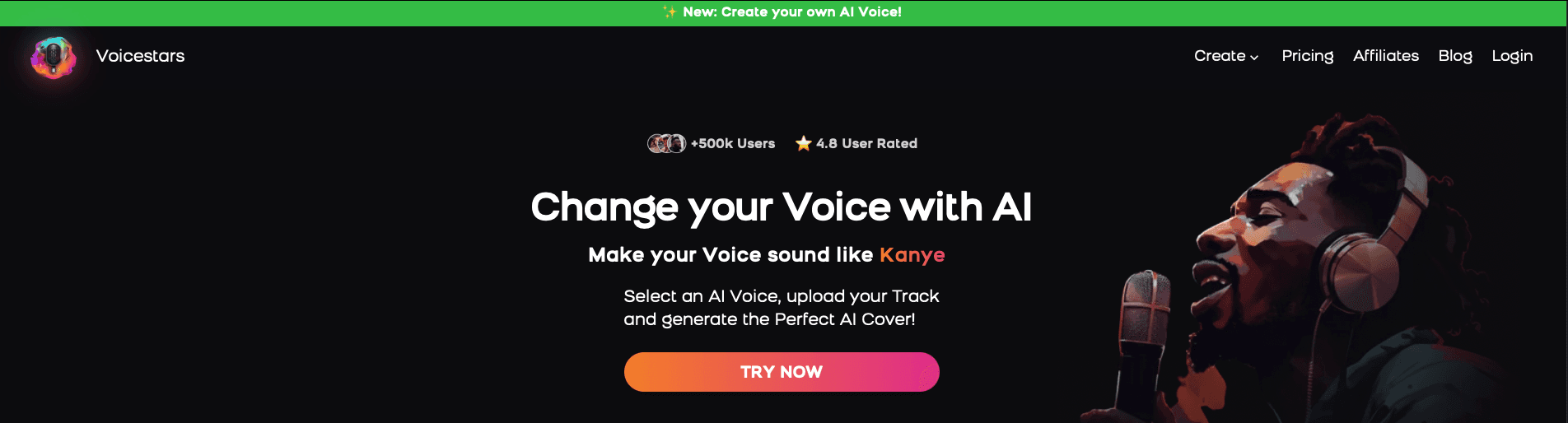
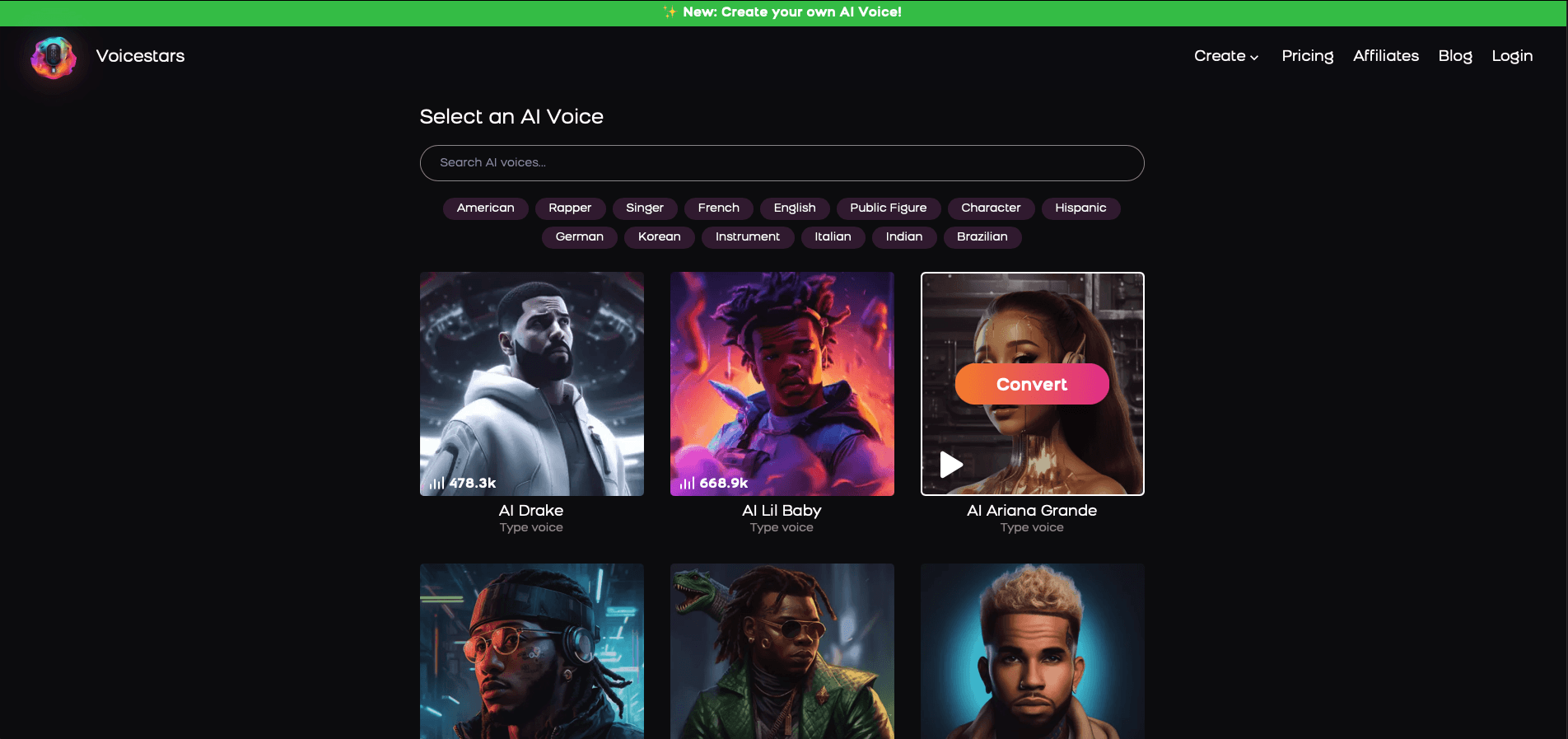
2. Select Your AI Voice or Track
Choose from Bollywood stars, regional accents, or fictional voices.
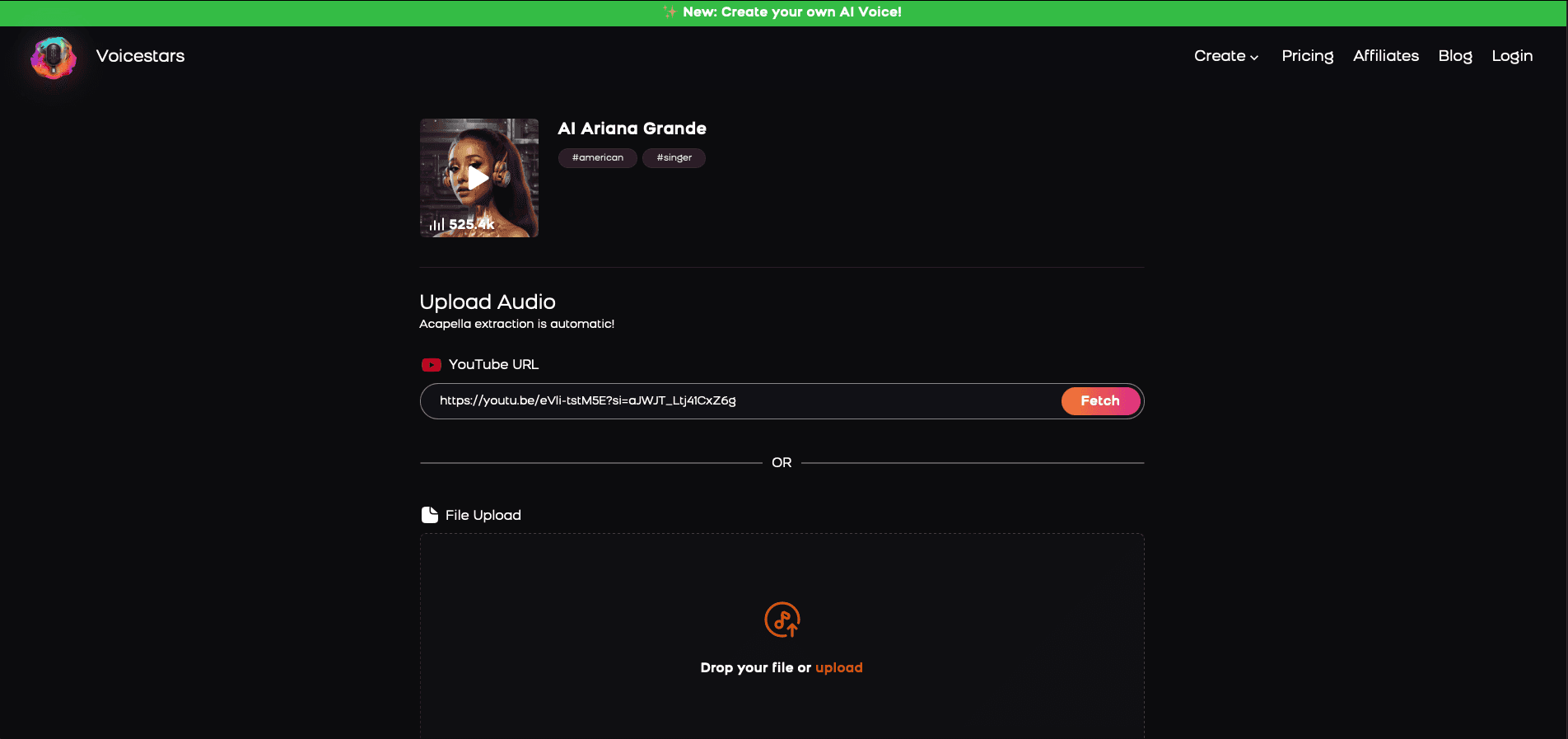
3. Upload a Song or Add Text for Remixing
Insert an audio clip or type song lyrics for a quick remix.
4. Download and Share Your VoiceTips for Making the Most of AI Voice Covers
Real Examples of AI LeBron Used in Music Creation
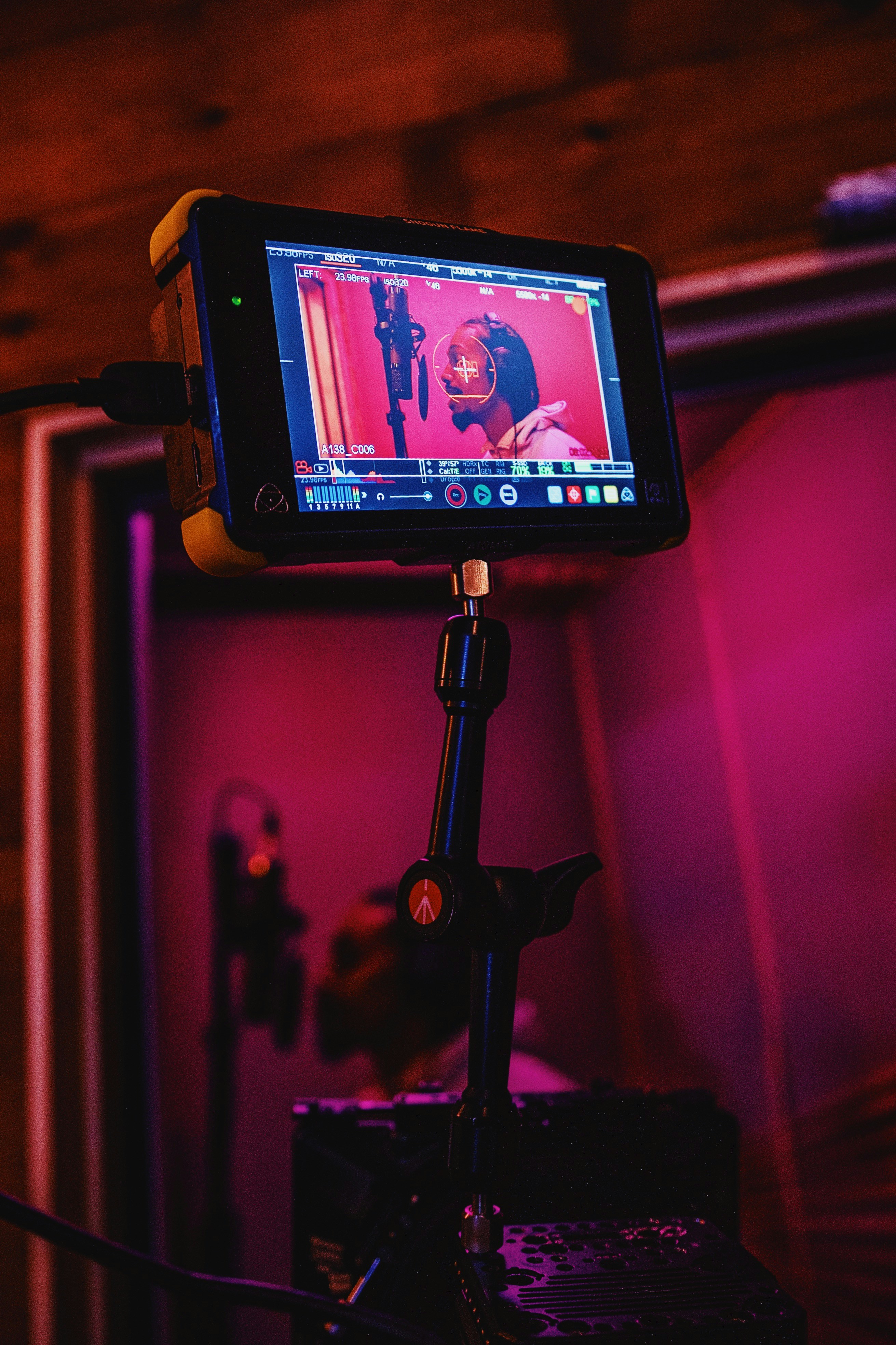
From SoundCloud drops to TikTok freestyles, the ai lebron voice is appearing in actual music—especially in trap and meme rap circles. One viral example is a parody song that opens with a motivational speech by “LeBron,” followed by a Future-style verse and a beat drop that turns into a SZA-sung hook. The AI LeBron voice delivers punchlines, hype phrases, or narrative elements that bring humor and gravity to digital-era music.
Another artist created a concept album in which LeBron narrates the artist's rise from underdog to rap hero. Tracks are punctuated with voiceovers that sound like locker room pep talks—cloned and enhanced using Voicestars. These musical skits are now a recognized storytelling technique among Gen Z producers and creators.
Creating Multilingual Mashups with AI LeBron

Some producers are going a step further—blending AI LeBron with multilingual vocals. A track might open with LeBron delivering a motivational intro in English, transition to a verse in Hindi via ai hindi voice generator, and close with a Portuguese hook using criar voz ia. This kind of multilingual fusion is gaining traction among creators who want to reach global audiences or play with contrast and humor in storytelling.
Platforms like Voicestars allow seamless integration of languages, making it possible to generate a bilingual song using Drake, Ariana Grande, and a LeBron-styled narrator—all in one workflow.
Ethical Use of Celebrity-Style Voices

Imitating the voice of a well-known figure, whether it’s LeBron James or any other public personality, opens up a complicated mix of creative freedom, ethical responsibility, and legal boundaries. On one hand, voice imitation has long been part of comedy, satire, and artistic expression. On the other, AI tools make it so easy and so convincing that the stakes are much higher. Audiences can’t always tell when a voice is fabricated, and that uncertainty raises questions about consent, misuse, and public trust. It’s natural to wonder whether AI-generated voiceovers should always be disclosed, how clearly they need to be labeled, and where exactly the line sits between parody that’s protected and imitation that crosses into inappropriate or harmful territory.
Disclosure is at the heart of this conversation. When people hear a voice that sounds like a real person, they instinctively assume the person endorsed or participated in the content. Without clear labeling, an AI voice could mislead audiences, intentionally or not. That’s why many argue that any use of an AI-generated voice resembling a real individual should be identified as such. This helps maintain trust, protects individuals from having their identity co-opted, and gives viewers the context they need to interpret what they’re hearing. Transparency doesn’t restrict creativity—it supports it by setting expectations and keeping content grounded in honesty.
Legal considerations overlap with these ethical questions. Parody and satire typically have protection because they add commentary, exaggeration, or humor rather than aiming to deceive. But an AI voice clone used in a realistic context, especially for commercial purposes, can move closer to infringement or misrepresentation. The key distinction often comes down to intent and clarity: is the imitation meant to entertain or critique, or is it designed to mimic the real person without their knowledge for persuasive or promotional gain?

As platforms like Wikipedia and Britannica begin to catalog AI music ethics, responsible creators are choosing tools that put respect and creativity hand-in-hand.
Voicestars approaches these issues by building ethical safeguards directly into the platform. Instead of allowing unlimited cloning of any recognizable voice, it supports opt-in participation so individuals have control over whether their voice—or a style inspired by it—can be used. This consent-first model respects personal rights and keeps creators from unintentionally crossing lines they didn’t realize were there. It also emphasizes transparency, encouraging users to label AI-generated audio clearly so listeners understand what’s real and what’s synthesized.
In addition, Voicestars offers non-commercial licensing for voice styles that resemble real people without claiming to be them. This enables artistic or comedic experimentation while preventing those styles from being used in ways that could imply endorsement or manipulate audiences. The platform actively promotes ethical guidelines, urging creators to use voice styles for storytelling, humor, or imaginative expression—not for impersonation that deliberately misleads.
By combining disclosure, consent, and thoughtful limits, Voicestars aims to support creativity without sacrificing integrity. It acknowledges the power of AI voice technology while keeping human respect and transparency at the center of how that power is used.
Related Readings
import StickyCTA from "https://framer.com/m/StickyCTA-oTce.js@Ywd2H0KGFiYPQhkS5HUJ"
Table of Contents
What Is AI LeBron and Why Is It Trending in Music?
How Artists Are Using AI LeBron Vocals Creatively
Why Voicestars Is the Best Platform to Clone LeBron’s Voice
Step-by-Step Guide on How to Use Our AI Voice Cloning App
Related Readings
What Is AI LeBron and Why Is It Trending in Music?

The phrase ai lebron started as a joke online—referring to deepfaked voiceovers of LeBron James—but it quickly evolved into a surprising trend in music creation. By 2025, artists are using LeBron-inspired AI voices to add personality, comedy, or authority to tracks. Whether it’s a motivational intro, a trash-talk skit, or a parody verse, creators are now integrating LeBron-style AI vocals into real songs.
With tools like Voicestars, you can clone celebrity-style voices—including those resembling public figures like LeBron James—and use them in creative ways for entertainment, storytelling, and satire. The result? A blend of humor, originality, and virality that works especially well in genres like rap, trap, drill, and pop.
How Artists Are Using AI LeBron Vocals Creatively

What began as meme content is now being used in serious music production. On TikTok and Instagram Reels, you'll hear AI LeBron voices dropping motivational monologues at the start of tracks, delivering witty hooks, or introducing artists like a coach would before an NBA game.
Some artists build full songs using AI LeBron as a narrator, while others use it for taglines or dramatic album intros. A rapper might open with LeBron yelling, “You gotta believe!” then transition into a Drake–style verse, all generated using Voicestars. This combination of motivational tone and cultural familiarity makes AI LeBron a fan favorite for digital-native listeners.
In addition to meme rap, it’s also being used for commentary tracks, concept albums, and comedy interludes.
Why Voicestars Is the Best Platform to Clone LeBron’s Voice

Platforms like Voicestars go beyond simple TTS. They provide accurate celebrity-style voice replication, ensuring that LeBron’s iconic cadence, energy, and phrasing are preserved. Artists using Voicestars benefit from:
Emotionally accurate vocal rendering
Fast, clean audio outputs ready for publishing
Voice blending with stars like Nicki Minaj, SZA, or Kanye West
Multilingual support, perfect for blending English LeBron vocals with hooks in Hindi or Portuguese
Unlike general TTS platforms like Uberduck or Eleven Labs, Voicestars is built with music performance in mind, making it the best choice for creative AI voice work.
2
Step-by-Step Guide: Create your favourite Ai voice with Voicestars AI
Video Guide
Written Guide
1. Visit the Voicestars Homepage
Go to Voicestars and click “Try now.”

2. Select Your AI Voice or Track
Choose from Bollywood stars, regional accents, or fictional voices.

3. Upload a Song or Add Text for Remixing
Insert an audio clip or type song lyrics for a quick remix.

4. Download and Share Your VoiceTips for Making the Most of AI Voice Covers
Real Examples of AI LeBron Used in Music Creation

From SoundCloud drops to TikTok freestyles, the ai lebron voice is appearing in actual music—especially in trap and meme rap circles. One viral example is a parody song that opens with a motivational speech by “LeBron,” followed by a Future-style verse and a beat drop that turns into a SZA-sung hook. The AI LeBron voice delivers punchlines, hype phrases, or narrative elements that bring humor and gravity to digital-era music.
Another artist created a concept album in which LeBron narrates the artist's rise from underdog to rap hero. Tracks are punctuated with voiceovers that sound like locker room pep talks—cloned and enhanced using Voicestars. These musical skits are now a recognized storytelling technique among Gen Z producers and creators.
Creating Multilingual Mashups with AI LeBron

Some producers are going a step further—blending AI LeBron with multilingual vocals. A track might open with LeBron delivering a motivational intro in English, transition to a verse in Hindi via ai hindi voice generator, and close with a Portuguese hook using criar voz ia. This kind of multilingual fusion is gaining traction among creators who want to reach global audiences or play with contrast and humor in storytelling.
Platforms like Voicestars allow seamless integration of languages, making it possible to generate a bilingual song using Drake, Ariana Grande, and a LeBron-styled narrator—all in one workflow.
Ethical Use of Celebrity-Style Voices

Imitating the voice of a well-known figure, whether it’s LeBron James or any other public personality, opens up a complicated mix of creative freedom, ethical responsibility, and legal boundaries. On one hand, voice imitation has long been part of comedy, satire, and artistic expression. On the other, AI tools make it so easy and so convincing that the stakes are much higher. Audiences can’t always tell when a voice is fabricated, and that uncertainty raises questions about consent, misuse, and public trust. It’s natural to wonder whether AI-generated voiceovers should always be disclosed, how clearly they need to be labeled, and where exactly the line sits between parody that’s protected and imitation that crosses into inappropriate or harmful territory.
Disclosure is at the heart of this conversation. When people hear a voice that sounds like a real person, they instinctively assume the person endorsed or participated in the content. Without clear labeling, an AI voice could mislead audiences, intentionally or not. That’s why many argue that any use of an AI-generated voice resembling a real individual should be identified as such. This helps maintain trust, protects individuals from having their identity co-opted, and gives viewers the context they need to interpret what they’re hearing. Transparency doesn’t restrict creativity—it supports it by setting expectations and keeping content grounded in honesty.
Legal considerations overlap with these ethical questions. Parody and satire typically have protection because they add commentary, exaggeration, or humor rather than aiming to deceive. But an AI voice clone used in a realistic context, especially for commercial purposes, can move closer to infringement or misrepresentation. The key distinction often comes down to intent and clarity: is the imitation meant to entertain or critique, or is it designed to mimic the real person without their knowledge for persuasive or promotional gain?

As platforms like Wikipedia and Britannica begin to catalog AI music ethics, responsible creators are choosing tools that put respect and creativity hand-in-hand.
Voicestars approaches these issues by building ethical safeguards directly into the platform. Instead of allowing unlimited cloning of any recognizable voice, it supports opt-in participation so individuals have control over whether their voice—or a style inspired by it—can be used. This consent-first model respects personal rights and keeps creators from unintentionally crossing lines they didn’t realize were there. It also emphasizes transparency, encouraging users to label AI-generated audio clearly so listeners understand what’s real and what’s synthesized.
In addition, Voicestars offers non-commercial licensing for voice styles that resemble real people without claiming to be them. This enables artistic or comedic experimentation while preventing those styles from being used in ways that could imply endorsement or manipulate audiences. The platform actively promotes ethical guidelines, urging creators to use voice styles for storytelling, humor, or imaginative expression—not for impersonation that deliberately misleads.
By combining disclosure, consent, and thoughtful limits, Voicestars aims to support creativity without sacrificing integrity. It acknowledges the power of AI voice technology while keeping human respect and transparency at the center of how that power is used.
Related Readings
import StickyCTA from "https://framer.com/m/StickyCTA-oTce.js@Ywd2H0KGFiYPQhkS5HUJ"
More Update
import StickyCTA from "https://framer.com/m/StickyCTA-oTce.js@Ywd2H0KGFiYPQhkS5HUJ"


