Deepfake Voice Generator: How to Use One Safely in 5 Steps, and the Rules
Published: · Updated:
The safest voice to clone is your own: the Voicestars voice-cloning page trains a model from a few minutes of your recordings.
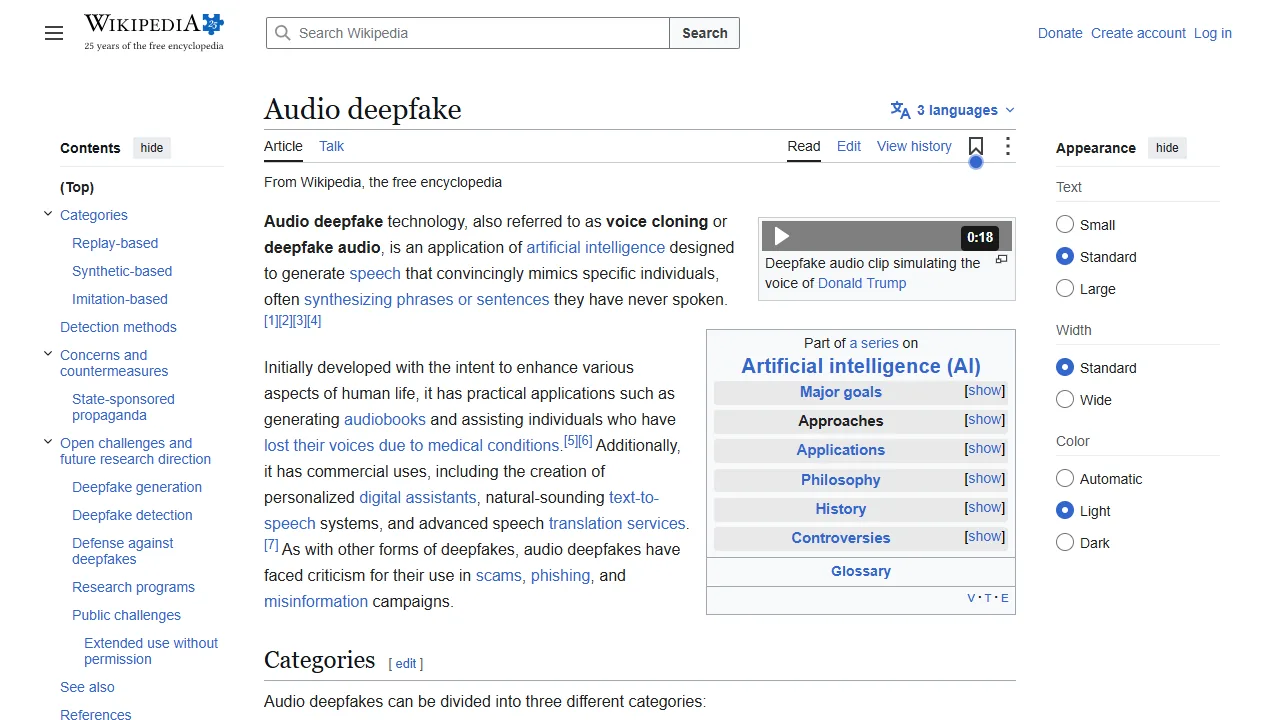
A deepfake voice generator can make anyone sound like anyone. The technology is the same one used for legitimate voice cloning; what changes is consent and how the result is used.
This guide explains where voice deepfakes become illegal, from robocalls to likeness laws, and gives five steps to use voice cloning safely.
We reviewed public sources on the FCC’s 2024 ruling, the Tennessee ELVIS Act and the proposed NO FAKES Act on 11 November 2026. Nothing here is legal advice.
The answer in brief
A deepfake voice generator clones or imitates a voice. It is legitimate with consent, typically your own voice, and clearly labelled output. It becomes risky or illegal for impersonation, fraud, commercial use without permission and AI-voiced robocalls, which the FCC placed under the TCPA in February 2024. Clone only consenting voices, keep proof of permission, label every clip and remove content on request.
- 01 Consent Your voice or written permission
- 02 Label Mark every clip as AI
- 03 Respect No calls, fraud or endorsements
Fine, risky or illegal?
Risk depends on the voice and the use. This is a general guide, not legal advice.
| Use | Example | Risk level | Why |
|---|---|---|---|
| Your own voice | Cloning yourself for voiceovers or covers | Low | You consent and own the voice. |
| Labelled parody of a public figure | An obvious, captioned joke clip | Medium | Likeness laws and platform rules may still apply. |
| Commercial use of someone’s voice | An ad or song in a celebrity voice | High | Needs the person’s permission; laws such as the ELVIS Act protect voices. |
| Calls, fraud or impersonation | A cloned voice in robocalls or a scam | Illegal | The FCC treats AI voices in robocalls as artificial voices under the TCPA. |
Voicestars states that custom voices may be used commercially only for your own voice, or with the original artist’s authorisation.
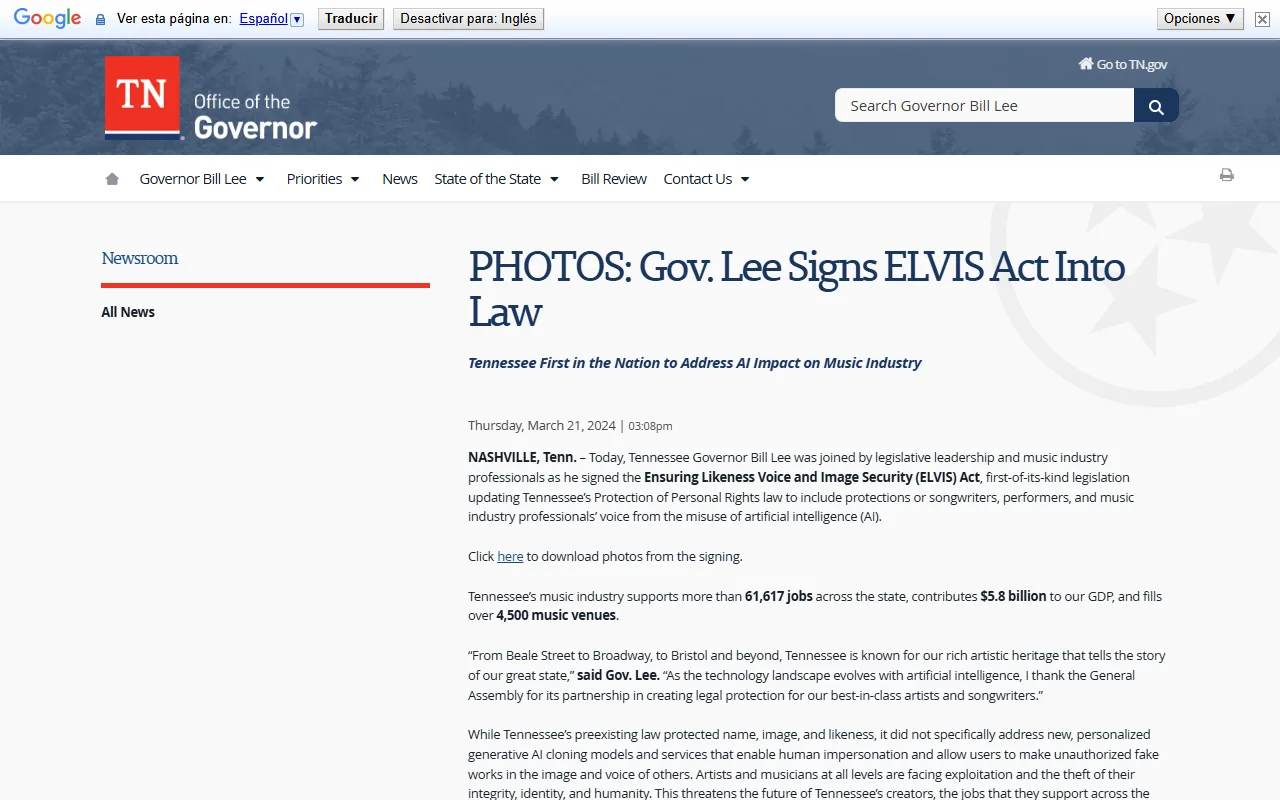
Sources: FCC: AI-generated voices in robocalls declared artificial under the TCPA (8 February 2024) · Tennessee Governor: ELVIS Act signed into law · Voicestars: Create an AI Voice
Use voice cloning safely in 5 steps
Each step addresses one of the ways voice deepfakes cause harm.
- Start from consent: clone your own voice, or get written permission from the person whose voice you use. Without it, keep to obvious, labelled parody or do not publish.
- Use clean recordings of the consenting voice, ideally around ten minutes, and keep proof of permission with the files.
- Never use a cloned voice in calls, voicemails or messages that a listener could take as real. In the US, the FCC ruled in February 2024 that AI voices in robocalls fall under the TCPA’s artificial-voice rules.
- Label every published clip as AI-generated in the audio, title or caption, and never imply endorsement or a real statement.
- Respond quickly to objections: remove a clip if the person or their representatives ask, and review platform rules on synthetic media before posting.
Example: a consent note to keep with your files
An original template. Adapt it with a lawyer for commercial projects.
I, [name], allow [creator] to create an AI model of my voice from recordings made on [date], for [purpose]. I can withdraw this permission by email at any time.What to check
- The purpose is specific.
- The date and recordings are identified.
- Withdrawal is possible.
The rules that already apply
On 8 February 2024 the FCC unanimously confirmed that AI-generated voices are “artificial” voices under the Telephone Consumer Protection Act, so robocalls using them need the same consent as other prerecorded calls.
Tennessee’s ELVIS Act, signed in March 2024, protects a person’s voice, including simulated voices, against unauthorised use.
At federal level, the NO FAKES Act, which would create a right against unauthorised digital replicas, was reintroduced in 2026 and had not been enacted when we checked.
For the recording side, follow our guide to making an AI voice of yourself.
Handle common deepfake voice situations
| Situation | Risk | What to do |
|---|---|---|
| Clip mistaken for real | Misleading audience | Add a clear AI label in the audio and caption. |
| Person objects to a clip | Likeness or platform complaint | Remove it promptly. |
| Asked to clone someone without consent | Legal and ethical exposure | Refuse or obtain written permission. |
| Suspicious call in a familiar voice | Possible voice-clone scam | Hang up and call back on a known number. |
Clone your own voice with Voicestars
The consent-first way to use voice cloning.
- Record about ten minutes of your own voice.
- Upload it on the Create an AI Voice page and train the model.
- Use your voice for covers or voiceovers, labelled as AI.
For celebrity voices specifically, read our celebrity voice generator guide.
Points to watch
Legal information is a dated summary of public sources for the US, not advice for your situation.
Rules differ by country and change quickly.
How we checked this guide
Tested and written by Big Jeezy, music producer, on 11 November 2026, using Voicestars and the tools named in this guide.
- FCC ruling coverage (Orrick), the Tennessee ELVIS Act announcement, Manatt’s summary of the NO FAKES Act and the Voicestars voice-cloning page reviewed 11 November 2026.
- The consent note is an original template, not legal advice.
- Voicestars publishes this guide and sells voice cloning; it has a commercial interest in this topic.
Screenshots and examples come from these sessions. Voicestars publishes this guide and sells the voice tools it mentions.
Report a correction to Voicestars Editorial with the page, date, a short reproducible example and the observed result. Avoid sending private recordings. See our editorial policy.
Common questions
What is a deepfake voice generator?
An AI tool that clones or imitates a person’s voice so it can say or sing new content. The same technology powers legitimate voice cloning.
Is using a deepfake voice illegal?
Not in itself, but specific uses are. AI voices in robocalls fall under US robocall rules, impersonation for fraud is illegal, and some states such as Tennessee protect a person’s voice against unauthorised use. This is not legal advice.
Did the FCC ban AI voice calls?
The FCC’s February 2024 ruling did not ban them outright; it confirmed that AI-generated voices count as artificial voices under the TCPA, so the usual consent rules for robocalls apply.
Can I clone my own voice?
Yes. Cloning your own voice is the clearest legitimate use. Voicestars trains a model from about ten minutes of your recordings.
Is there a free deepfake voice generator?
Some tools offer free credits. Whatever the price, the rules on consent, labelling and impersonation are the same.
How can I spot a voice deepfake?
Be wary of urgent requests for money or codes, unusual phrasing and audio with no background. Call the person back on a known number.
Sources we used
Checked on 11 November 2026.
For the robocall rules, read Orrick’s analysis of the FCC ruling; for voice likeness, the Tennessee ELVIS Act announcement.