
How AI Voice Technology Is Changing the Way Independent Musicians Create and Produce Music
Published: · Updated:
Independent musicians have always survived on raw grit. You buy a modest audio interface, toss thick blankets inside a closet, and pray the traffic outside stays quiet. Still, the human voice remained the hardest piece to fake. Drum machines replaced session drummers. Software synths replaced acoustic pianos.
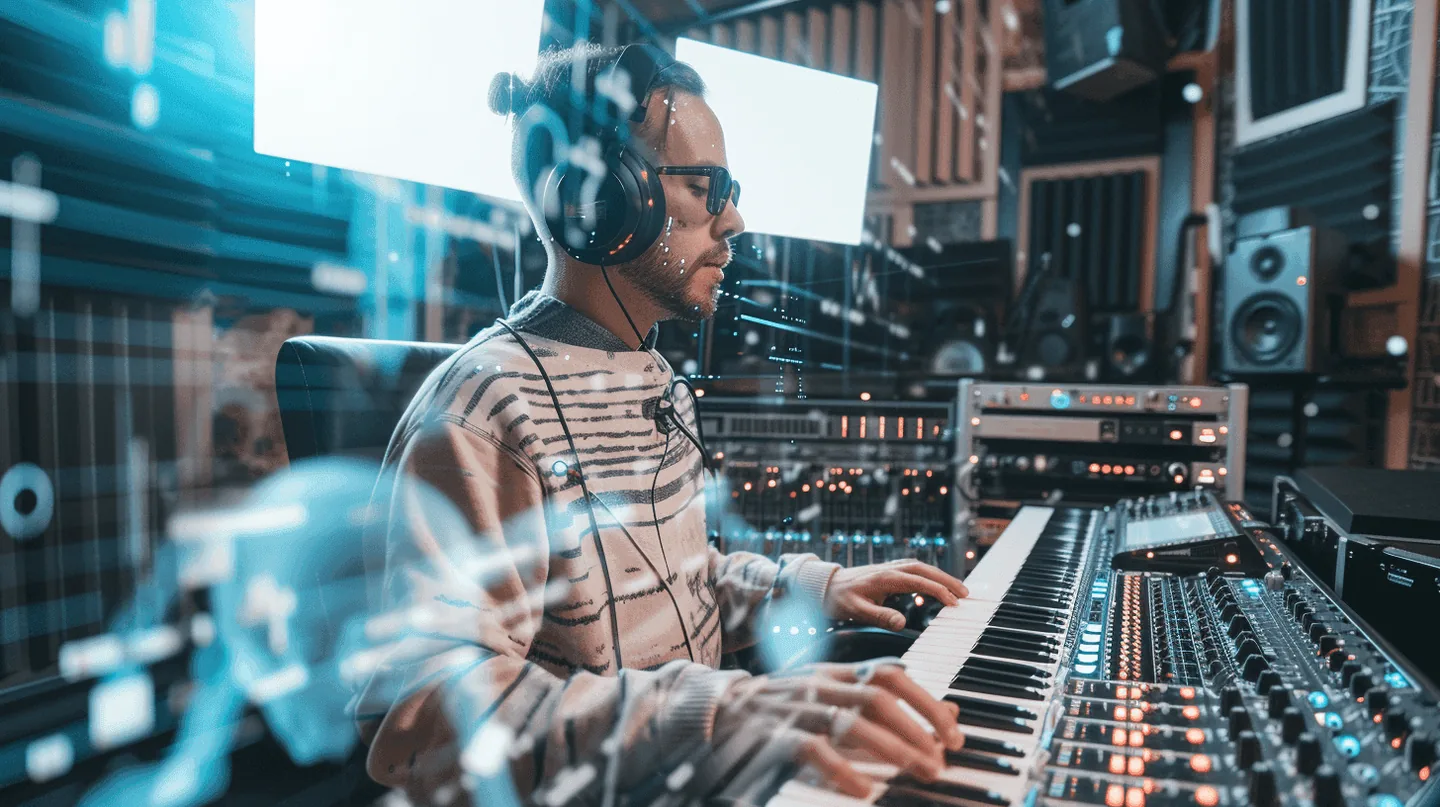
Neural audio tools dissect real singing—the breaths, the micro-pitch adjustments, the grit—and rebuild it digitally. Hum a melody into your phone, select a vocal model, and the software translates your shaky audio into a warm, confident performance. Purists may scoff. That is nothing new.
https://www.kits.ai/blog/balancing-ai-and-authenticity
Erasing the Heavy Cost of Session Singers
Hiring a freelance vocalist is expensive. Search freelance platforms like SoundBetter or AirGigs, and experienced session singers frequently quote between $150 and $500 for one song. What if the singer completely misses your creative vision? You still have to pay them. Re-tracking costs more money. Writing polite revision emails takes time you do not have.
Modern voice synthesis flips the script. For roughly $10 to $25 each month, a solo musician gets unlimited attempts. No scheduling conflicts. No bruised egos. You can audition six totally different vocal styles across three distinct musical keys before lunch. A Ditto Music report revealed that 74% of independent artists earned under $1,000 annually from their craft. When revenue is that tiny, affordable tools are not a luxury. They mean survival.
Turning Clumsy Voice Memos into Polished Toplines
Good songwriting ideas hit at odd times. Some people get inspired while browsing free novel websites, while others get inspired during a late-night stroll. You quickly pull out your phone and mumble a rough voice note before the melody slips away. In the past, turning that raw sketch into a finished track would have required days of studio time, vocal warm-ups, and endless pitch correction.
Voice-to-voice AI skips the headache. The software takes your crude hum and projects its timing, tone shifts, and rhythm directly onto a virtual voice profile. The machine preserves your raw human feeling—the pauses, the dynamic accents, the natural timing—while swapping the audio source. You stay the composer. The computer simply acts as your vocal stand-in.
Breaking Biological Limits on Vocal Range
Human vocal cords are biological tissue. They get tired. Human capacity is limited in every respect: the creative spark needed to write novels for an iOS app might run dry after a few successful hits, vocal cords can grow hoarse, and a runner’s legs can sustain an injury. Most importantly, they have physical boundaries. A baritone cannot easily hit high, pop-style falsetto hooks without his voice cracking.
Neural audio models shatter those constraints. You can play a vocal line on a keyboard, well outside your natural singing range, and assign it to an AI model built for high-register power. Want a six-part gospel harmony behind an acoustic guitar? Play the chords, choose your voices, and stack the layers.
Why the Human Soul Still Runs the Show
Can a machine feel grief? Not a chance. An algorithm does not understand heartbreak, longing, or the nervous joy of falling in love. I do not know why a slight vocal crack makes a listener weep. The software can generate pristine pitch and smooth tone, but the human behind the computer provides the raw emotion, the storytelling, and the taste.


