
FROM OUR BLOG
The Evolving Creative Workflow: How AI Is Reshaping Music and Visual Storytelling
Jan 20, 2026
Over the past decade, creative production has undergone a steady but profound transformation. What once required dedicated studios, specialized teams, and long production cycles can now often be achieved by independent creators working from a laptop. At the center of this shift is artificial intelligence — not as a replacement for creativity, but as a catalyst that reshapes how ideas move from imagination to finished work.
Music and visual storytelling, in particular, are experiencing rapid change. As audiences consume more content across platforms like short-form video, streaming, and interactive media, creators are under pressure to produce faster while maintaining originality. This has led to a growing reliance on AI-powered tools that streamline early-stage creation and experimentation.
From Inspiration to Output: Shortening the Creative Gap
Traditionally, turning an idea into a finished song or video involved multiple technical steps: composition, arrangement, recording, editing, and post-production. Each stage required time, expertise, and often collaboration across different roles. For many creators, the biggest challenge wasn’t a lack of ideas — it was the friction between inspiration and execution.
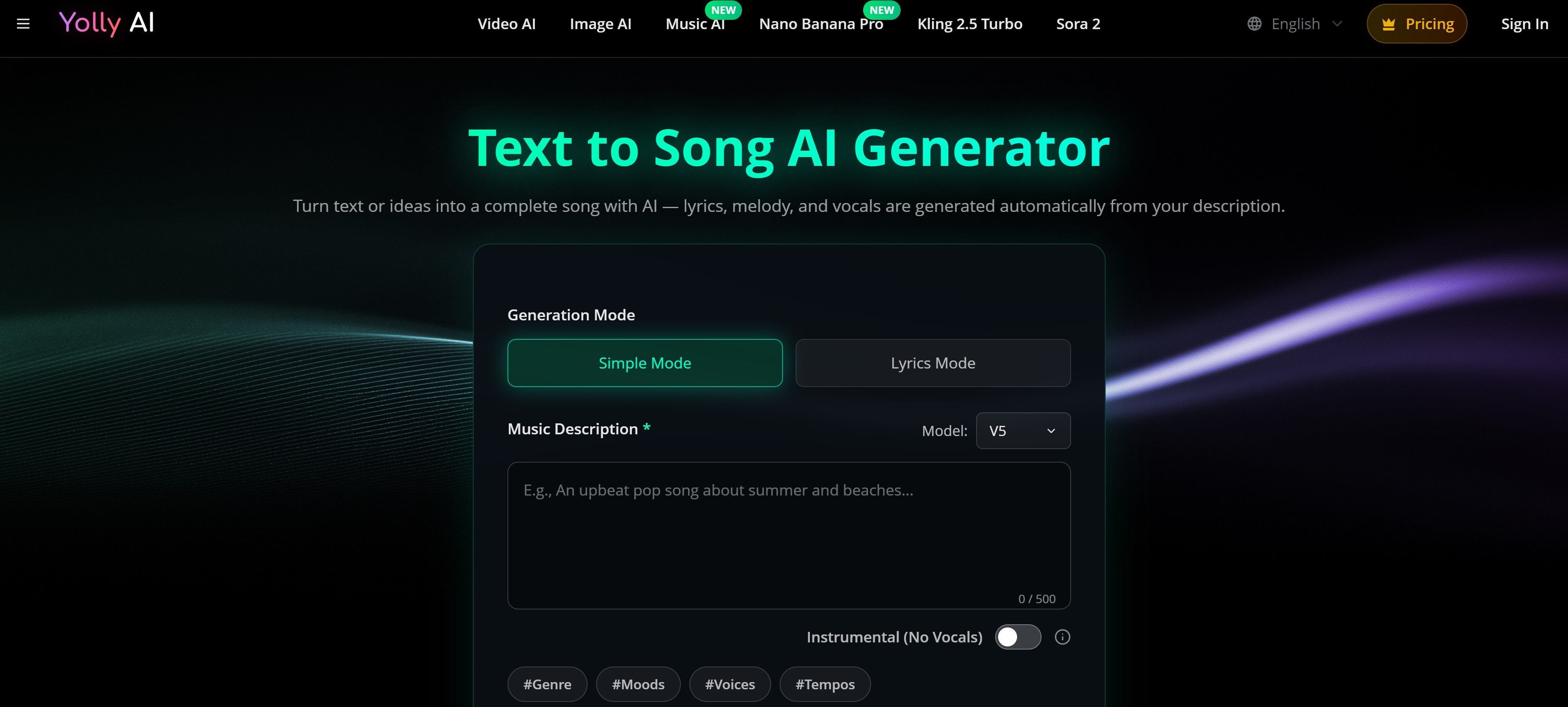
AI tools are increasingly filling this gap. By allowing creators to work directly from concepts like mood, theme, or written text, AI reduces the distance between creative intent and tangible output. For example, workflows that convert written lyrics or prompts into music through text to song systems enable musicians, writers, and even non-musicians to prototype musical ideas almost instantly. Instead of starting with technical constraints, creators can begin with narrative and emotion.
This shift changes how creative sessions are structured. Rather than spending hours setting up sessions or searching for the right sound, creators can explore variations quickly, discard what doesn’t work, and refine what does.
Visual Content Catches Up With Music Innovation
While AI-assisted music creation has gained significant attention, visual production is undergoing a similar evolution. Music videos, lyric visuals, and animated storytelling are no longer reserved for high-budget releases. As music output increases, so does the need for compelling visuals that match tempo, emotion, and style.
This demand has driven the rise of tools like AI music video generator platforms, which automatically translate audio into synchronized visual narratives. These systems analyze rhythm, structure, and mood to produce visuals that feel connected to the music, rather than simply layered on top of it.
For independent artists and digital creators, this means visual storytelling becomes part of the creative process from the start — not an afterthought. Music and visuals evolve together, creating more cohesive final results with fewer production bottlenecks.
Creativity as Curation, Not Automation
A common misconception about AI in creative work is that it removes the artist from the process. In practice, the opposite is often true. As AI takes over repetitive or technical tasks, creators spend more time making decisions — choosing, refining, and shaping outputs.
AI generates possibilities; humans provide direction and judgment. The most effective workflows treat AI as a collaborator that offers starting points rather than finished answers. This balance allows creators to maintain a distinct voice while benefiting from faster iteration and broader experimentation.
Importantly, AI also lowers entry barriers. Writers can explore music, musicians can experiment with visuals, and small teams can produce work that previously required much larger resources. This democratization expands who gets to participate in creative industries.
Looking Ahead: Integrated Creative Ecosystems
As AI tools continue to evolve, the future of creative production points toward more integrated ecosystems. Music, visuals, and storytelling will increasingly be developed in parallel rather than as separate steps. Creative workflows will emphasize flexibility, rapid feedback, and cross-media experimentation.
Rather than replacing artists, AI is redefining what it means to create — shifting the focus from technical execution to conceptual clarity and expressive intent. For creators willing to adapt, these tools offer not just efficiency, but new ways to explore ideas that were previously out of reach.


import StickyCTA from "https://framer.com/m/StickyCTA-oTce.js@Ywd2H0KGFiYPQhkS5HUJ"