
FROM OUR BLOG
How AI Tools Are Transforming the Workflow of Modern Voice Creators
Mar 26, 2026
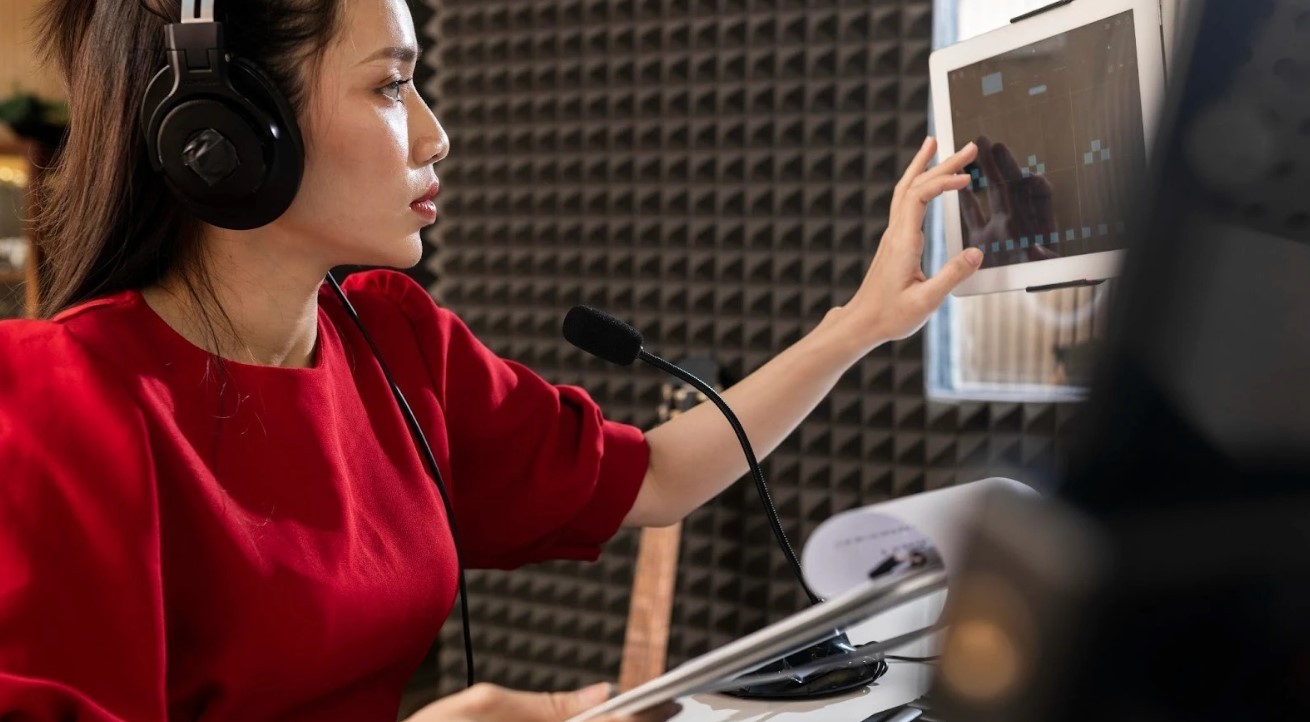
AI tools are reshaping that workflow from start to finish. They help with script development, audio cleanup, editing, transcription, localization, and audience analysis. For modern voice creators, artificial intelligence is no longer a novelty. It has become part of a practical production system.
Why AI matters in voice content production
Voice creation used to demand many hours of manual work. Recording was only one part of the process. Planning, retakes, noise removal, segmentation, metadata writing, and distribution often took even longer. That slowed growth and made solo production difficult.
Today, machine learning tools reduce friction in almost every stage. They do not replace creativity, emotion, or performance. Instead, they support creators by automating repetitive tasks and improving decision-making. That shift gives voice professionals more time for storytelling, branding, and audience connection.
The modern voice creator workflow is becoming more intelligent
AI is transforming not just one task, but the entire content pipeline. The biggest change is workflow integration. Tools now connect pre-production, recording, post-production, and publishing into one smoother process.
Before looking at each stage, it helps to understand where the gains are most visible.
idea generation and topic research;
script outlining and rewrite support;
voice cleanup and sound enhancement;
automatic transcription and caption creation;
multilingual adaptation and dubbing;
performance review and audience analytics.
These improvements matter because time is often the biggest challenge for creators. A podcaster may have strong ideas but little time for editing. A narrator may deliver excellent reads but struggle with batch corrections. AI reduces those bottlenecks and makes content operations more scalable.
Voice creators also deal with a large amount of written material before recording begins. Script briefs, research documents, and collaboration agreements often require careful review during preparation. Many professionals save time by using an AI PDF summarizer online to quickly extract the most important points from lengthy files and focus on the sections that matter for performance. This approach helps voice actors prepare faster and keep their workflow organized when managing multiple projects.
Pre-production is faster and more strategic
AI helps creators move from idea to script
Many voice creators spend too much time staring at blank pages. AI writing assistants help brainstorm episode topics, interview questions, segment structures, and opening hooks. That does not mean scripts should sound robotic. The best use of AI is support, not substitution.
A strong workflow often starts with human direction and AI-assisted expansion. Creators can feed in audience interests, niche keywords, and content goals. In return, they receive draft outlines, title options, and talking points. That speeds up planning without removing originality.
Research and SEO become more efficient
For podcasters and educational creators, discoverability is essential. AI tools can cluster keywords, suggest semantic terms, and identify related search intent. This helps creators shape episodes around topics people already search for.
A voice creator discussing remote work, for example, can use AI to find related phrases such as productivity habits, digital collaboration, freelance burnout, and work-life balance. That improves episode relevance and strengthens SEO for descriptions, transcripts, and show notes.
Recording quality improves with less technical effort
A great voice performance can be damaged by background noise, uneven levels, or room echo. In the past, fixing those issues required deeper audio engineering skills. Now, many AI-powered tools can clean recordings in minutes.
These tools detect hum, clicks, mouth noise, and unwanted environmental sounds. Some also balance loudness and enhance vocal presence. As a result, creators working from home studios can achieve more professional sound without complex post-production chains.
The table below shows how AI changes the recording stage.
Workflow area | Traditional challenge | AI-powered improvement |
noise reduction | manual cleanup takes time | automatic detection and removal |
level balancing | inconsistent volume between takes | smart loudness normalization |
retake management | hard to find flawed sections | speech-aware error spotting |
remote recording | varied microphone quality | voice enhancement and repair |
Better sound quality also builds trust. Listeners stay longer when the audio feels clear and comfortable. For creators, that leads to higher retention and a stronger professional image.
Post-production is where AI saves the most time
Editing is becoming more content-aware
Traditional waveform editing can be slow and repetitive. Modern AI tools can identify silence, filler words, repeated phrases, and awkward pauses. Some platforms even let creators edit audio by editing text. That is a major shift for podcasters and interview-based formats.
Instead of listening to an entire recording several times, a creator can scan a transcript, remove weak sections, and export a cleaner final version. That shortens turnaround time and reduces fatigue.
Before relying on automation, creators still need editorial judgment. Not every pause is bad. Not every filler word should disappear. Natural rhythm matters in spoken content, so AI works best when paired with a human ear.
Transcription and repurposing expand reach
Once an episode is recorded, AI-generated transcripts unlock new value. A single voice recording can become a blog post, email newsletter, social caption set, video subtitles, or knowledge base entry. That supports omnichannel publishing without doubling the workload.
This matters especially for creators building a brand across platforms. One podcast episode can fuel a week of content when transcripts and summaries are generated quickly. That makes audio production part of a larger content ecosystem.
AI supports consistency across publishing schedules
Regular publishing is one of the hardest parts of voice-based content creation. Many creators disappear not because they lack talent, but because their workflow is too heavy. AI helps them build repeatable systems.
A sustainable process often includes several simple steps.
Define a content theme and audience intent.
Build a script or talking outline with AI support.
Record in batches to reduce setup time.
Use automated cleanup and transcript generation.
Repurpose the material for multiple channels.
Review analytics and refine the next episode.
This structure turns content production into a manageable routine. It is especially useful for solo creators, small studios, and educators who juggle many responsibilities.
After using a system like this, creators often notice fewer delays and less burnout. They also gain space to focus on delivery, narrative style, and community engagement.
New opportunities in localization and voice adaptation
Multilingual reach is growing
AI dubbing and translation tools are opening new markets for voice creators. A podcast recorded in English can now be adapted for listeners in Spanish, German, or Greek. Audiobook samples can reach international audiences faster. Course creators can localize lessons without rebuilding everything from scratch.
This does not remove the value of native review. Cultural nuance, humor, and tone still need human attention. Even so, AI lowers the cost of first-pass localization and makes expansion realistic for smaller teams.
Voice cloning raises both efficiency and ethical questions
Some creators use AI voice models for demos, internal previews, or accessibility features. That can help with faster prototyping and content adaptation. At the same time, voice identity is deeply personal. Consent, licensing, and transparency are essential.
Creators who use such tools should follow clear standards.
get explicit permission before cloning any voice;
disclose synthetic or assisted audio when relevant;
protect original recordings and training data;
review platform rules and licensing terms carefully.
Responsible use protects both creators and audiences. It also helps the industry build trust while adopting new technology.
Analytics are becoming more actionable
AI does more than generate and edit. It also helps creators understand what works. Modern platforms can track listener drop-off points, completion rates, topic engagement, and content patterns. That turns raw data into practical insight.
A voice creator can learn which introductions hold attention, which episode lengths perform best, and which subjects generate repeat listening. Those insights support stronger content planning and better audience retention.
Still, data should inform rather than control creative work. Metrics are useful, but they should not flatten personality. The most memorable voice creators combine performance, authenticity, and strategic refinement.
The human element remains the core advantage
Even the best AI system cannot fully replace human tone, lived experience, or emotional nuance. Audiences connect with warmth, timing, humor, and perspective. Those qualities come from people, not prompts.
What AI does best is remove technical drag. It handles repetitive production tasks, speeds up experimentation, and supports scale. That allows creators to spend more energy on message, voice, and connection.
In the coming years, successful voice creators will likely be those who combine creative instinct with smart workflow design. They will use artificial intelligence as a production partner, not as a substitute for craft. That balance is what makes modern voice content faster to produce, easier to distribute, and more powerful to hear.


import StickyCTA from "https://framer.com/m/StickyCTA-oTce.js@Ywd2H0KGFiYPQhkS5HUJ"